
Why Intellectuals Hate Freedom
The oldest prejudice of thinking people – that they should be in charge. (3 minute read).

A peculiarity of intellectuals is their hatred of freedom. Or more precisely, of the practice of freedom. They are often fond of the theory of freedom, and the word itself.
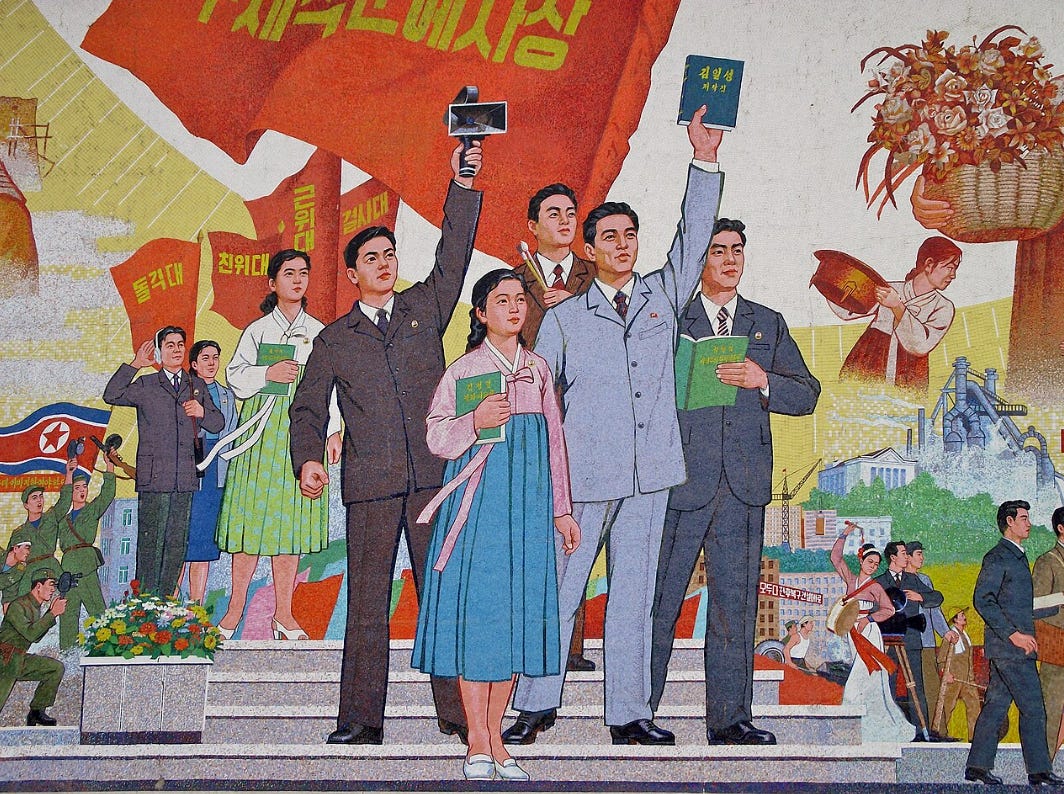
Since the Russian revolution in 1917, the hostility has chiefly been demonstrated in support for communism abroad and socialism at home. This has been used to justify everything from genocide to silly pronouns.

Most intellectual ideas throughout the twentieth century have been intolerant and authoritarian, in practice if not in theory. Consider eugenics, Marxism, colonialism, anti-colonialism, psychoanalysis, environmentalism, postmodernism and the many fantasies about race and gender. Free markets – the expression of individual choice and the source of prosperity and personal independence – have been under constant siege.
In the West we have the naïve belief that thinking, reading, learning and writing leads to good judgement. So why are the people who do the most of that, such as academics, journalists and pundits – the most likely to support tyranny? (At least as long as it is labeled something else…).
This is not a new phenomenon. Ancient Egypt had the scribes, India the Brahmins, Islamic civilization the ulama, and China the mandarins. All of these were intellectual elites who based their power on claims of superior reason, virtue and knowledge. They preached deeply illiberal social ideals, where common people should shut up and obey their betters.
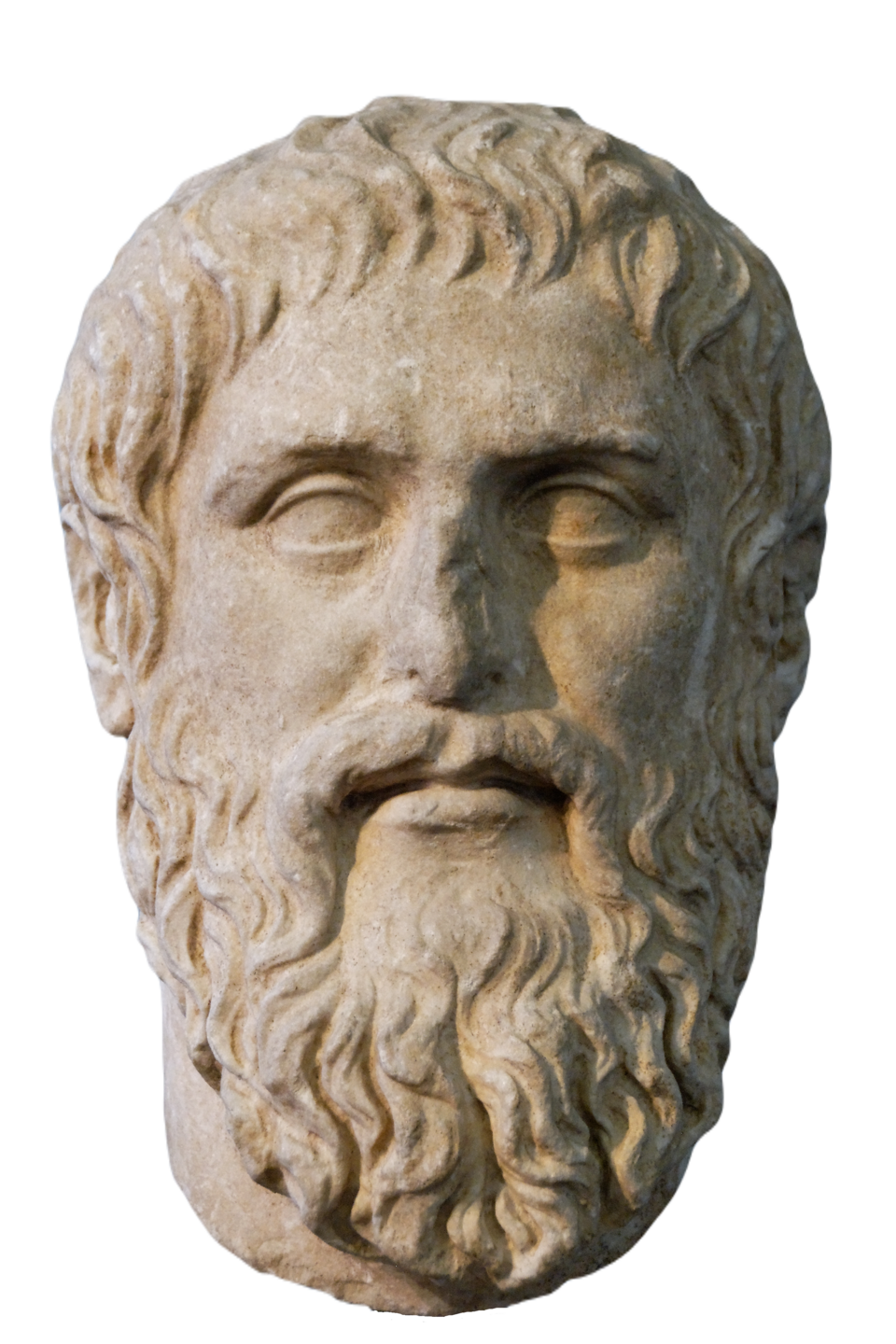
Totalitarianism is old, and appears fully-fledged in Plato’s Republic. It is, depending on definition, the first coherently formulated political theory. And the practice was much older than the theory, older than the pyramids, and probably older than history itself. Plato expressed his vision of a communist city under total hierarchical control. The city is isolated and ruled by an intellectual elite selected by a long education. Everything is centralized, even breeding, and the masses kept in check with a “noble lie”.
I believe this intellectual hatred of freedom is to a large (but not exclusive) extent explained by the tension between freedom and all other ideals. An ideal is, as a matter of definition, the belief that things ought to be a certain way. “This is good and ought to be”, or “this is bad and ought not to be”.
Freedom is also an ideal. But it is an odd ideal in that it is the ideal of letting people do what they think is right, rather than what really is right. (Or at least what “we” think is right). This creates tension between freedom and all other ideals.
Consider: An intellectual is trying to figure out what is right. That is the entire point of being an intellectual. Perhaps to worship the One True God. Perhaps to bring about the dictatorship of the proletariat. Perhaps to purge our minds of the sin of racism and memorize the 72 pronouns.
Whatever ideal the intellectual adopts, it must be incredibly frustrating if people… Just ignore us. Here we have spent our entire life studying (or pretending to study) the True, the Just, the Good, the Beautiful. And then ordinary people, who don’t even have PhDs, just go on with their lives! Spending their money, time, and energy on things they want, rather than on things we want them to want! Surely, the fact that they don’t do what we, the smart people, think they ought to do is proof of their stupidity! The intellectuals drink deep of the deadliest of the seven deadly sins – Pride.
Naturally, it becomes tempting to give the herd, the masses, the commoners, the plebians, the hoi polloi, the benighted, the deplorables, a nudge. And if that nudge fails, it must be equally tempting nudge harder. And then we are on the path of good intentions, lined by guillotines and GULAGs, leading straight to hell.
Jakob Sjölander
Hear, hear!